


Bless Our Preservationist Hearts: Saving Old Homes Instead of Starting Over

By VOICE-TRIBUNE • Photo By Josh Ison
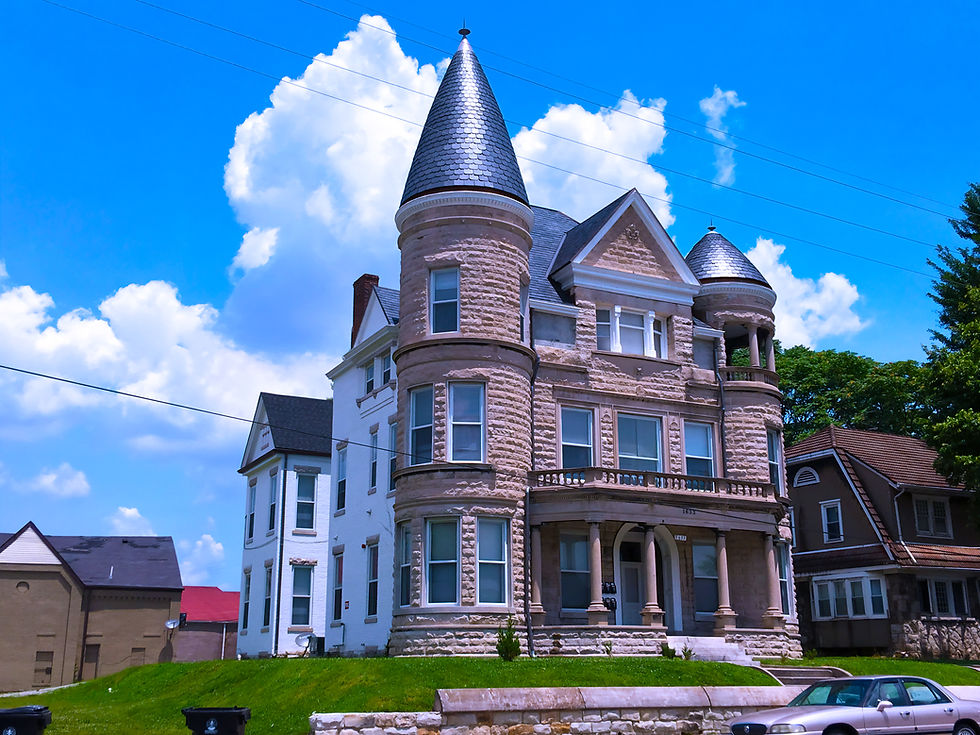
In Louisville, old homes have a hold on people’s hearts. The original hardwood floors, the stained glass windows, the front porches made for long conversations. In neighborhoods like Old Louisville, Crescent Hill, and The Highlands, these houses are part of the city’s personality.
For many homeowners, choosing a historic home means choosing a project. Victorian houses, more often than not, come with aging plumbing, drafty windows, and ever-evolving repair lists. Shotgun homes may need structural work before anyone can think about paint colors or furniture placement. Mid-century homes bring their own challenges, with outdated electrical systems and original design details being more difficult to replace.
Still, people keep choosing them.
Part of the appeal is character. Older homes were built with details that are harder to find in newer construction. Pocket doors, crown molding, built-in shelves, and brick fireplaces give a house a real sense of history and romance. Even the imperfections can be endearing. Doors stick when the weather changes. Nothing is perfectly square, and for many owners, that is part of the charm.
There is also a sense of bequeathal; living in a century-old home is like inheriting a story. Someone else once sat on that same porch, hosted dinners in that same dining room, or planted the tree now shading the backyard. Preserving an old home is a stewardship, in a sense.
That does not mean restoration is romantic all the time. Ask anyone who has tried to match original trim or repair plaster walls, and they will likely have a few stories. Budgets stretch, and small surprises behind old walls turn into expensive ones.
Rebuilding from scratch is not always the goal. Many homeowners say they would rather work with what is already there than erase it. A renovated kitchen can live alongside the original tile. Modern lighting can share space with century-old woodwork. The goal is usually not perfection.
But Louisville’s historic neighborhoods make all that effort feel worthwhile. Passing through Old Louisville or along the tree-lined streets of Crescent Hill in full bloom, it is easy to see why people invest the time.
There is also a growing appreciation for sustainability. Restoring an existing home means keeping materials out of landfills and respecting craftsmanship that has already lasted for generations; original brick and hardwood, windows, doors, and fixtures that still have years of life left in them. Many older homes were also built with materials that are harder to find today. Dense old-growth lumber, solid wood doors, hand-laid brick, and detailed plaster work were made to last, not to be replaced every few years. In many cases, repairing what is already there makes more sense than tearing it out and starting over with cheaper materials that may not hold up the same way.
It is a simple thing. Some homes are worth saving. Not because they are easy, but because they have something new homes cannot have. History. Character. A beauty made better with age.
In Louisville, that kind of home still matters. Bless our preservationist hearts.


I’ve tried a lot of random nickname tools before, but this star wars name generator actually gives names that sound believable in the Star Wars universe. Pretty useful for RPG characters and gaming profiles.
I’ve tried a lot of browser driving games lately, but eggy car is the one I keep coming back to. The physics are simple but surprisingly addictive, especially when you’re trying not to drop the egg on steep hills.